
Spring Writing: Interviews and Features
Catching up on a busy season ... part 2

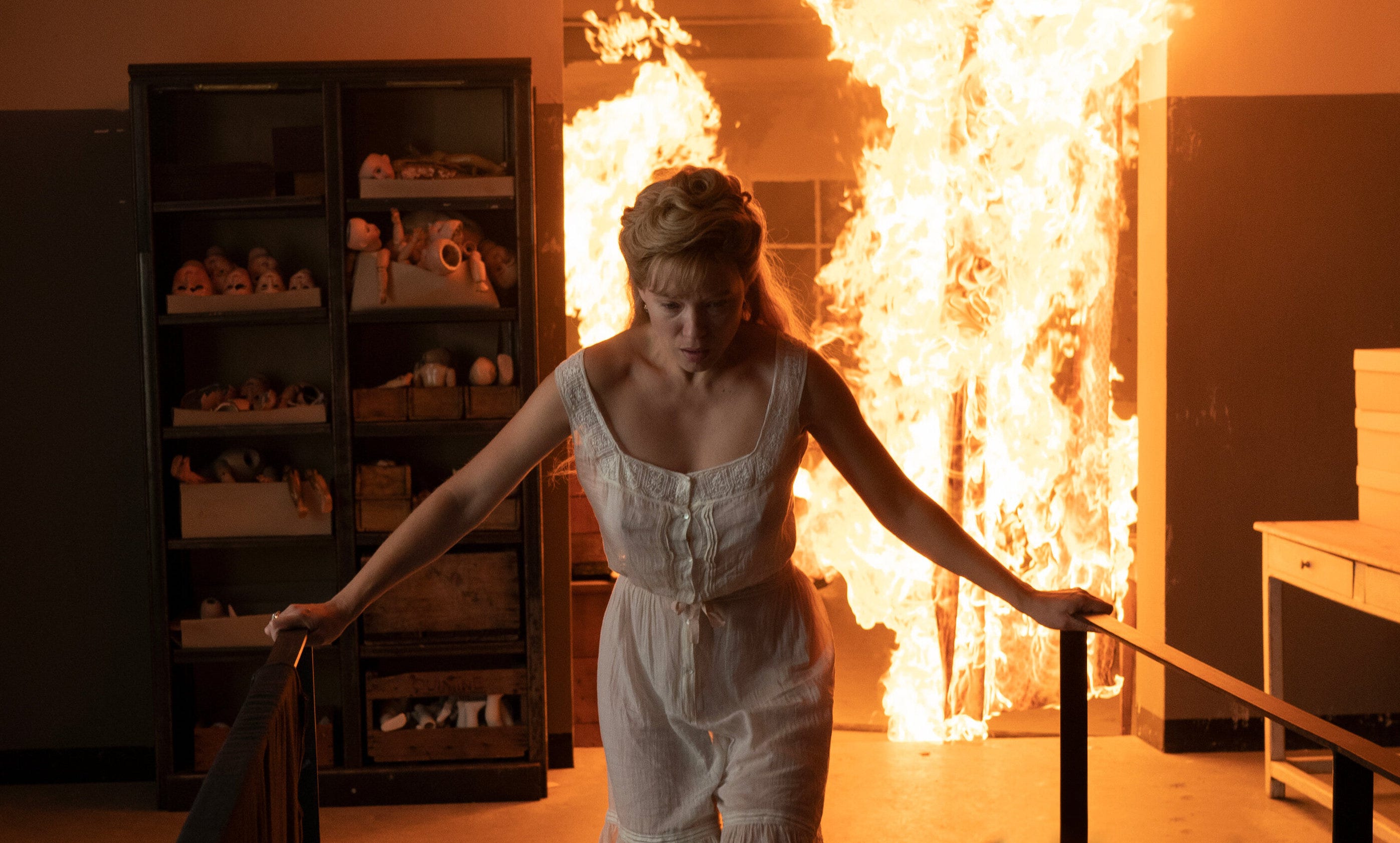
It has been a while since I posted what I have been writing on this blog. I already wrote about why that is and how it’s been going, generally, in the intro to the last post. That’s here — a round up of all the reviews I wrote Feb-April. And here are all the interviews I conducted and features I published in the same time.
As I wrote in the last post of single-film reviews, I haven’t ever loved interviewing. I write criticism because I like writing, not because I want to talk to anyone. I don’t get excited about the prospect of meeting the people who make art that I like, though I do like hearing them talk about their processes. Do I like to be the person they talk about that with? Still not really, but I have enjoyed the process of preparing for, conducting, transcribing, and writing up interviews far more since I started doing it for BOMB Magazine. The editorial process is smooth and supportive, and not only is the range for potential subjects quite broad, there’s an actual appetite for conversations with less established filmmakers whose work is unconventional, challenging, and thoroughly un-commercial. That’s a very good feeling. Plus, BOMB is one of those publications I grew up reading with passionate intensity when I didn’t even have the idea to seriously pursue writing. I still return to this 1990 interview between Mary Gaitskill and Stephen Westfall when I feel rudderless and unsure.
Elsewhere, the LA Review of Books is the best local culture publication an Angeleno could ask for (after the death of LA Weekly at least), and Lit Hub and In Review Online have both taken principled stances in support of Palestine in the wake of Israel’s ongoing American-funded genocide. If I could go back in time and tell my early early stages writer self anything, it would be to pursue publishing opportunities based on the editor’s decency and the publication’s ethical commitments, not on pay or perceived prestige. So, here are the four interviews and two features I published in the past few months. Enjoy.
Interview: Tyler Taormina | BOMB
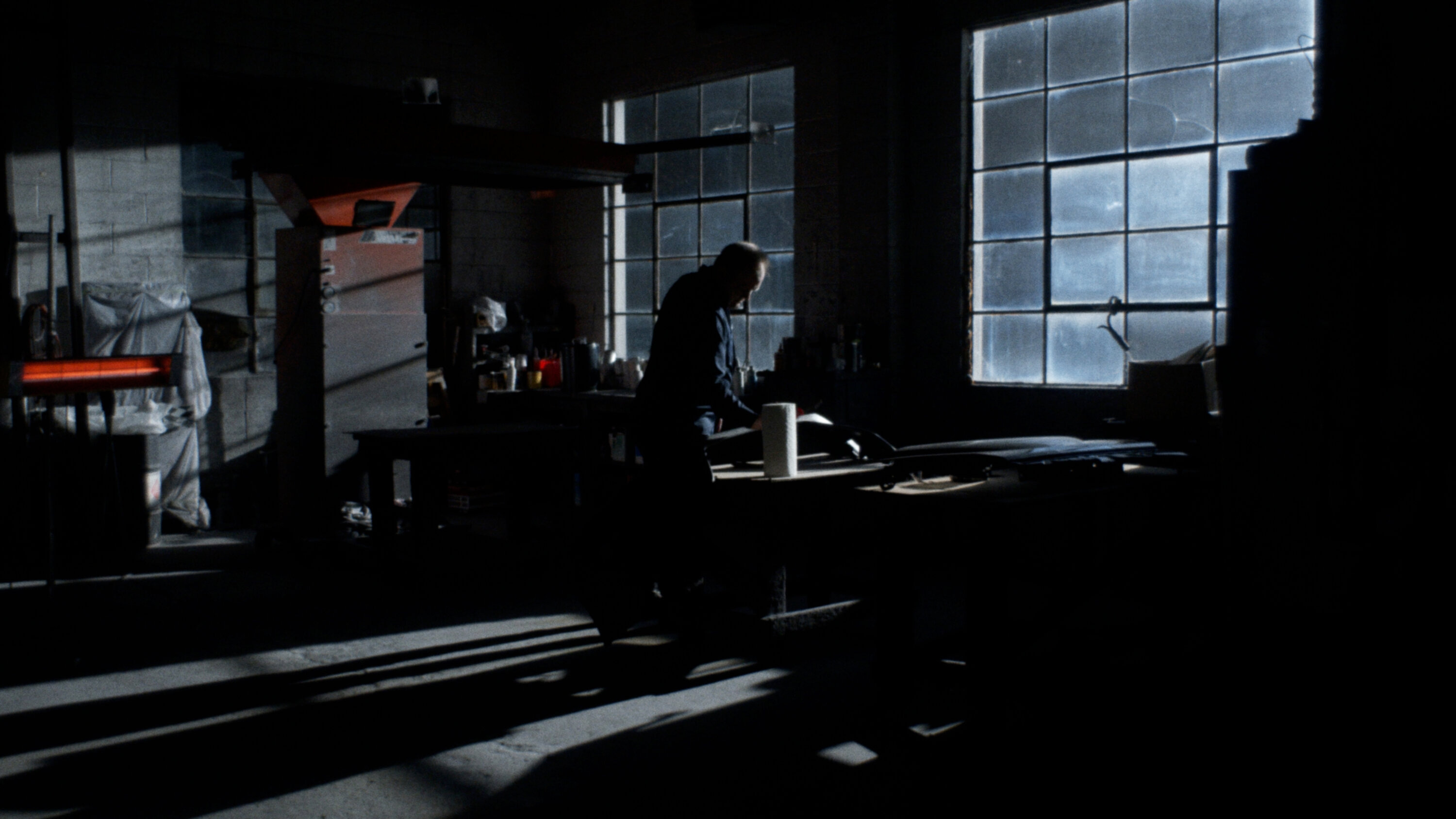
“A lot of the projects I make are really ruminations on my hometown, the place I left as a teenager, reflecting on the conditions in which I grew up. You can’t really spell Long Island without spelling the Long Island Railroad and, basically, Blue Lives Matter. Police love. These two things are so characteristic of Long Island. The police are such a confounding presence in Suffolk County, especially in the town where I grew up, which was redlined, racially, and erected atop this really gross history. The police are a very strange topic there: they’re very, very, well paid but there’s not a lot of crime. These cops, when they go from Nassau County or from New York City to Suffolk County, they see it as vacation. Yet they’re so beloved. People just love to give their tax dollars to them, to this symbol of their supposed protection. These symbols are so powerful to me in understanding this particular place. And both are heavily present in my next movie, Christmas Eve in Miller’s Point.
The train is interesting because Long Island is a sort of outgrowth of New York City. You hear the train everywhere you are. It’s like the grandfather clock of the whole island. The people who populate Long Island are in large part people whose descendants came from the city during the suburban boom, during white flight, and the train is their lifeline to the city. A lot of towns out there are commuter towns, and the Long Island Railroad is insanely trafficked by people who make their living in the city but live in this place that is very far from it. That plays into how devoid the place is of community. You can see that specifically in my hometown. There isn’t a main drag where people can walk around or congregate. It’s extremely atomized, so the train is an even more loaded symbol. It has a symbolic power because it’s a representation of the fact that this is not even a place to live. It’s a means to something else rather than an end in and of itself.”
Literary Guide to the 2024 Oscars | Literary Hub
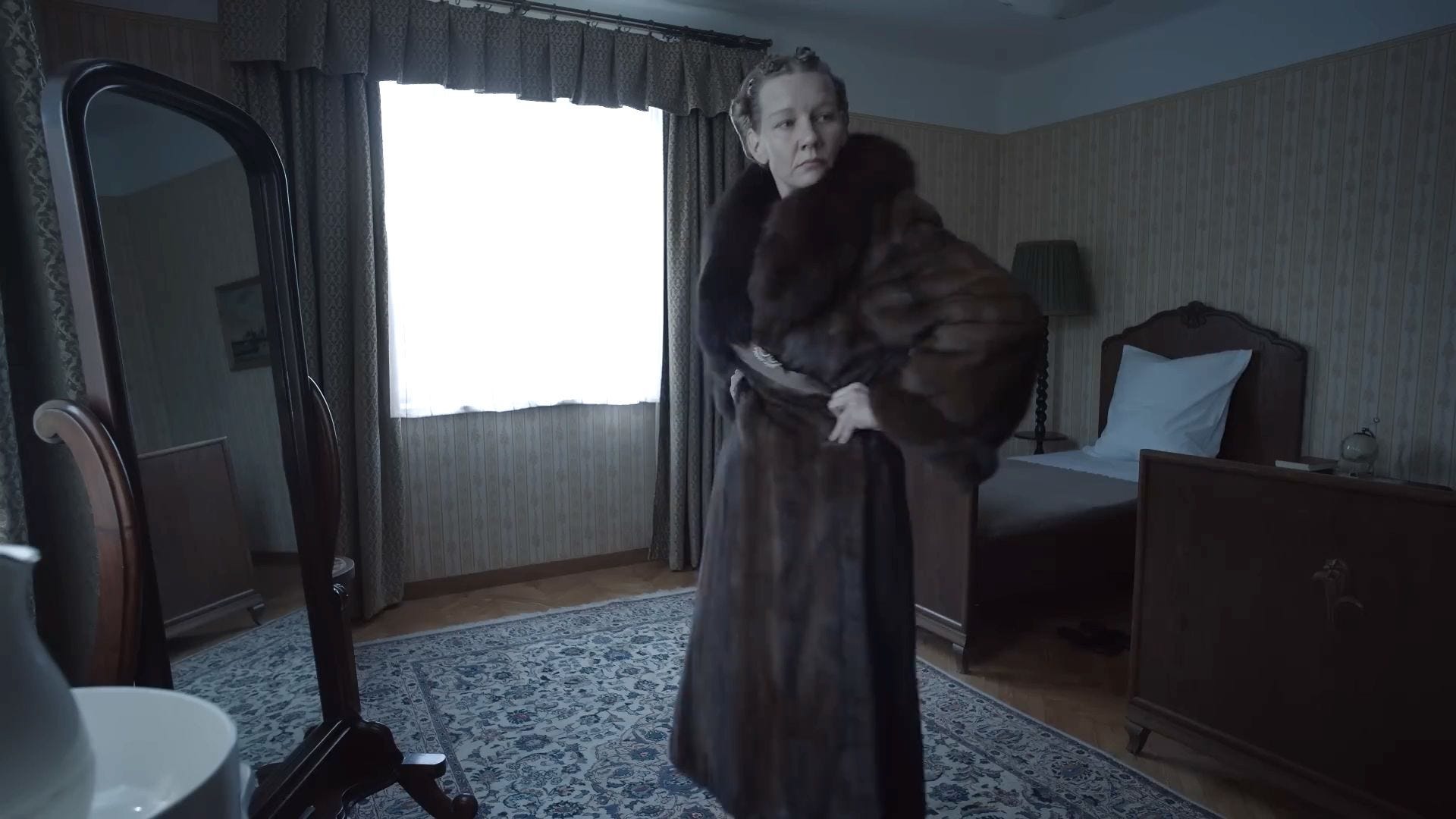
“The decision Lanthimos made to peel the rind off Gray’s Poor Things is reasonable as an endeavor toward clarity and cohesion. Gray’s elaborate frame narrative, in which the author himself presents text after text representing contradictory views of the life of Bella Baxter, introduces themes so demanding they’d take over the story that Lanthimos and Stone so clearly want to tell. But in removing doubts over authorship from the crucible of primary ingredients, Lanthimos’s Poor Things presents itself as the definitive account of the life of its heroine, one that’s harder to accept when the perspective on women and sex is so thuddingly masculine and modern. Bella’s exaggerated reaction to an exaggerated scene of poverty in Alexandria and contrastingly placid embrace of a life of sex work—probably the most grueling job a person in 19th century France could have—are at best facile and at worst condescending. But the movie looks very pretty, and it is very easy to watch.”
Interview: Jessica Hausner | In Review Online
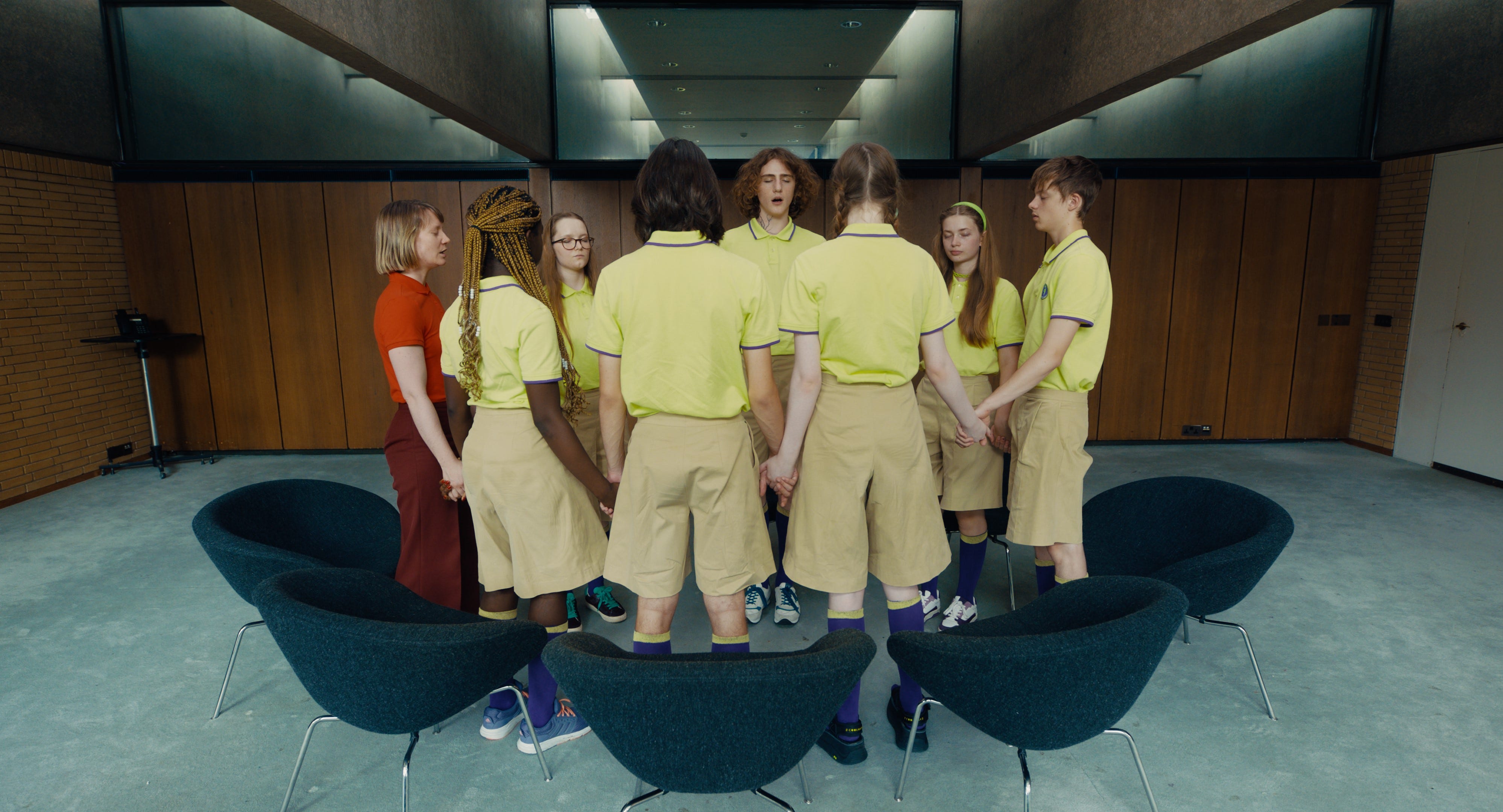
“Silent woman. Distant camera. Loneliness giving off a steam, slowly cooling into anger. Fantasy of retribution. Architecture so oppressive it could freeze a layer of white off your eyes. Abrasive colors. Throw-up green. Kiss-me yellow. Fantasy of sudden death. Of never having existed. The films of Jessica Hausner are snapshots of women in extremity: the concussive isolation of Hotel; the aching, thwarted hope of Lourdes; the screaming inner void of Amour Fou. The period we find the Austrian filmmaker in today is one increasingly suffocated by a mannered, florid, even parodic stylization. 2019’s Little Joe featured acres of bleeding red flowers, hot white light, sterile lab coats, and an improbably round, Cannes-winning wig. This year’s Hausner, Club Zero, pushes this style even further. Every costume, every piece of furniture, every movement of a hand or flick of a strand of hair, every push in of the camera is choreographed with unforgiving precision — to corner you, agitate you, and then to leave you to your thoughts. You decide what happened and what it means.”
Interview: Bertrand Bonello | BOMB
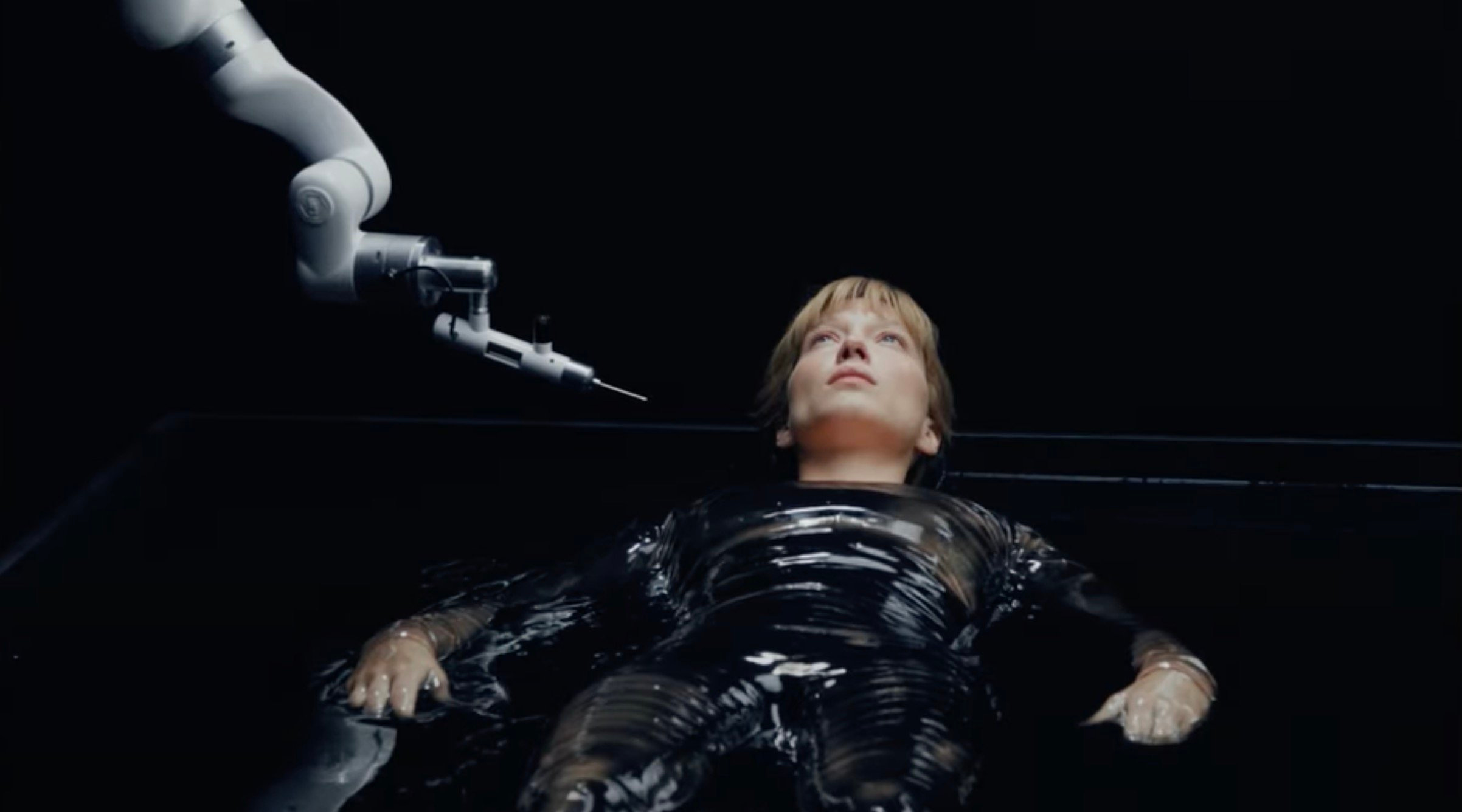
“The catastrophe in 2014, for me, is not a natural disaster. At least not like that. The catastrophe is found in the relationships. It is between technology and humanity. She is with her computer, he is with his phone, and what are you watching? Loneliness. It brings a kind of amnesia. It looks small, this kind of catastrophe. Then, in the future, the catastrophe is that there is no more catastrophe. Nothing can happen. It’s just emptiness and lots of feelings. This is what science fiction allowed me to do. I think that science fiction is the perfect medium to talk about our fears of the present. It’s true that the future I imagine is the consequence of the fears we have today.”
Interview: Theda Hammel | BOMB
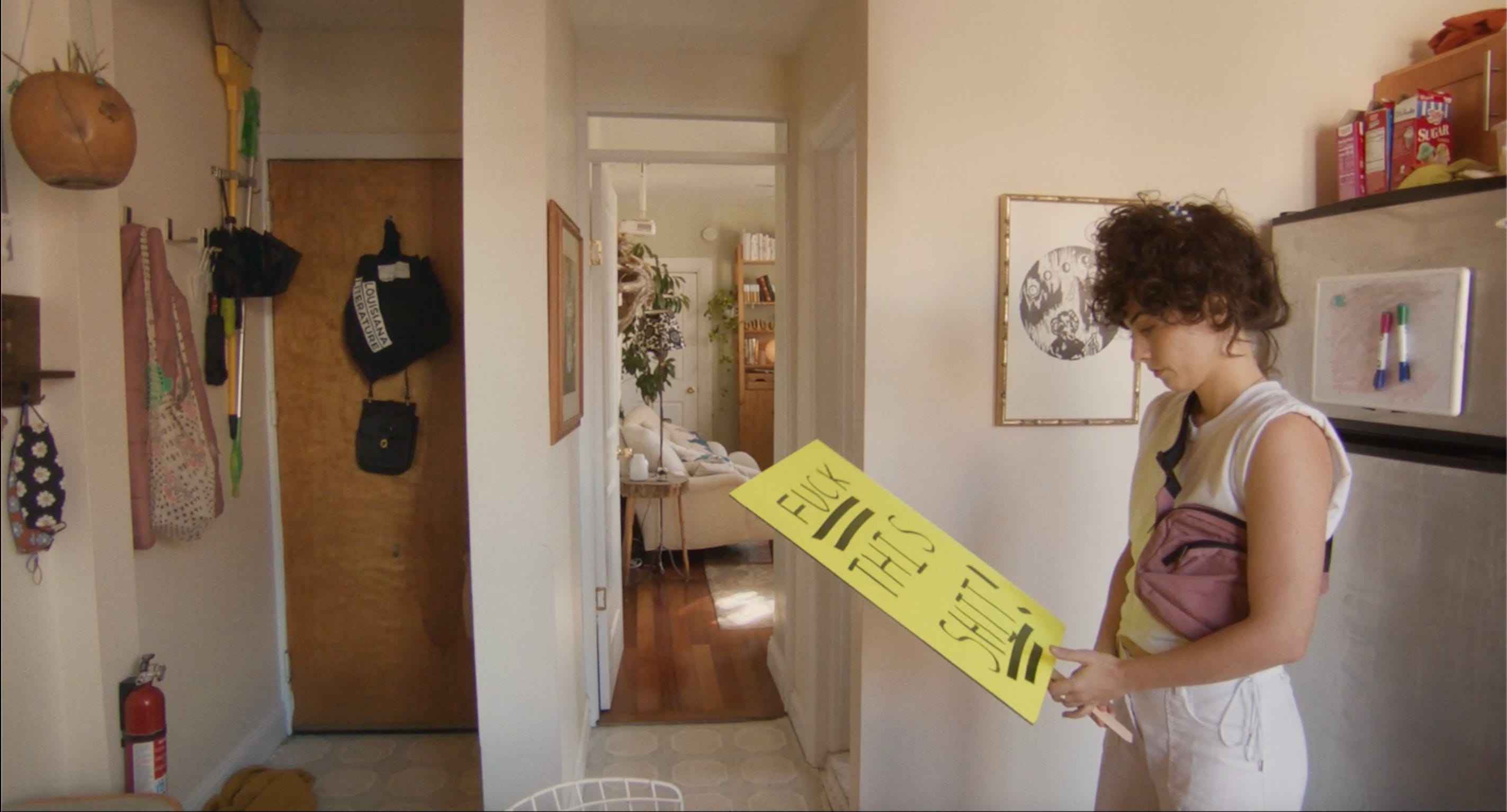
“If I were to draw it out in a scheme, Terry’s living in the wreckage of his past with no hope for the future. Karla is somebody who believes that she has made a full break with her past, and says so. She’s like, You don’t understand, I made it out! I found an escape! There are ways out of Hell and I took one, and now I’m part of a normal society, and I have a normal cis lady girlfriend, and I live in Greenpoint! That’s also very clearly not true.
In the case of Bahlul, he’s somebody who is still young enough for there to be a possibility of serious change. Someone who is in a transitional moment regardless of the gender dynamics, having left his mother behind, being in a new environment, maybe contemplating life as an independent queer adult of some kind. What that looks like for Bahlul is undetermined. Bahlul is somebody whose choice is theoretically still open, but, within the movie, I think there’s something a little bit tricky going on. Toward the end, not to give anything important away, but I’ll say this: As a queer adult, your free choices are maybe not so free. There are more paths before you, but they’re still very rigid paths. We’re none of us as free in our choices as we would prefer.”
Watching in L.A.: The Los Angeles Festival of Movies’ First Year | LA Review of Books
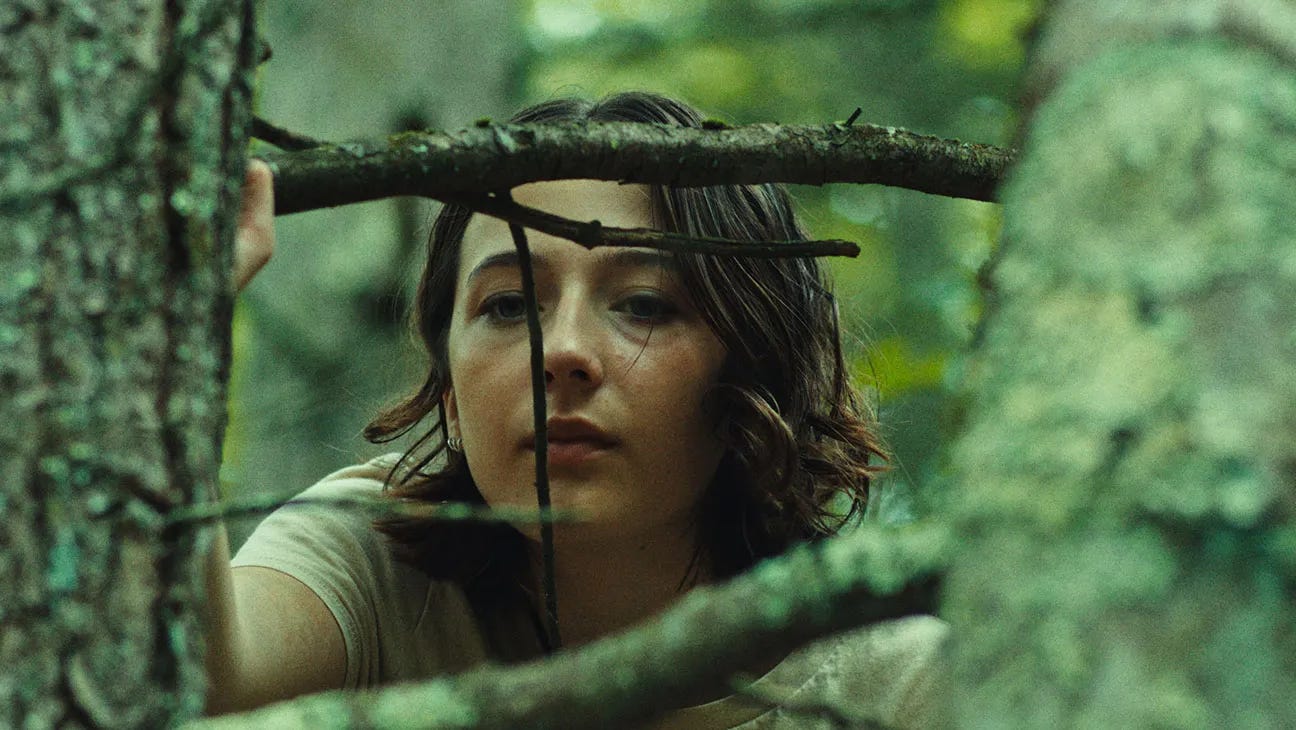
“Los Angeles County is massive. It has a huge, diverse population. But the size of the land area it encompasses is what leads to the cultural siloing of the region. What happens between Malibu in the west and Pomona in the east, between the county’s northern pole in Antelope Valley and China Point on San Clemente Island, its southernmost point, is too much to ever know fully. Yet when you ask people about the state of local culture, their answer is often that “there’s not enough.” This discrepancy is a feature, not a bug. The whole of Los Angeles is too vast and heterogeneous to keep in your mind at one time. Whenever someone expounds on what local moviegoing culture lacks, they’re really just pointing to the parts of their mental city map that remain dim and uncharted. Yet the belief in genuine absence is what spurs the city’s culture makers and community builders forward. If they really thought their ideal theater/program/scene was just on the other side of town, they’d simply drive there, not dedicate their lives to its creation. So, they tirelessly work to build the world they want to be a part of, and the whole of the city is richer for it—a greenhouse for hundreds of blossoming cultural ecosystems.”
Good stuff!